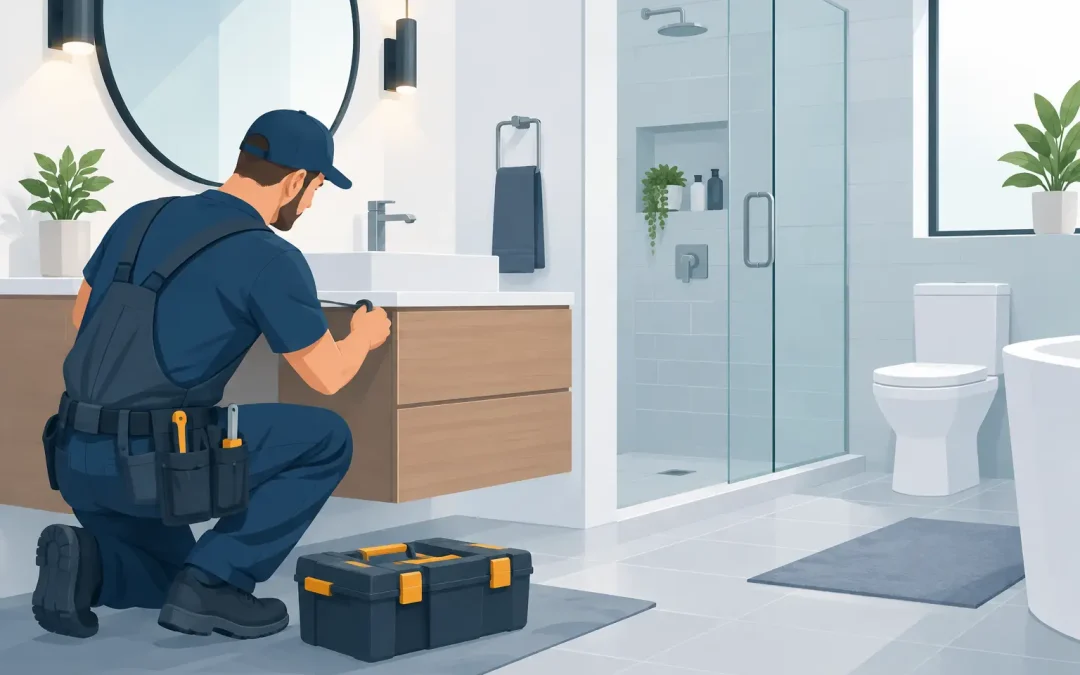
A bathroom can be one of the smallest rooms in a home and still be one of the most demanding to renovate. Good bathroom contractors are not simply there to replace a vanity or install tile. They coordinate plumbing, electrical work, waterproofing, ventilation, permits, material timing, and finish details so the room works properly long after the project is complete.
For New Jersey homeowners, the right contractor brings order to a process that can otherwise become expensive and frustrating. A bathroom renovation should improve daily routines, protect the home from moisture damage, and add lasting value. That requires careful planning and experienced execution, not just a good-looking design board.
What Bathroom Contractors Are Responsible For
A professional bathroom contractor manages the project from the first walkthrough through final completion. The exact scope depends on whether you are refreshing an existing bathroom or rebuilding it down to the framing, but accountability should be clear from the beginning.
At the planning stage, the contractor should help define the work, identify limitations in the existing space, and discuss priorities. A homeowner may want a larger shower, better storage, a double vanity, or aging-in-place features. Those goals have to work within the room’s footprint, the home’s plumbing layout, the available budget, and local building requirements.
Once the plan is approved, the contractor coordinates the work in the right sequence. Demolition comes before rough plumbing and electrical work. Inspections, when required, happen before walls are closed. Waterproofing must be complete before tile is installed. Fixtures and finish work come later, after the underlying systems are properly handled.
This coordination matters because one missed step can create unnecessary rework. Installing finished tile before confirming valve placement, for example, is a costly mistake. So is covering a wall before electrical or plumbing inspections are complete.
Why Experience Matters in a Bathroom Remodel
Bathrooms combine more trades in a compact space than many homeowners realize. Water lines, drain pipes, wiring, exhaust fans, flooring, wall finishes, and fixtures all need to work together. A contractor with real remodeling experience can spot problems early, when there is still time to address them responsibly.
Older homes often bring additional concerns. Plumbing may not be where a new layout requires it. Floor framing may need attention before a heavy tile installation. Existing walls can hide past water damage, improper wiring, or insulation gaps. These conditions do not automatically mean a project is headed for trouble, but they do require honest communication and a practical plan.
The best contractors do not promise that every renovation will have zero surprises. They explain what is visible, what may be discovered after demolition, and how changes will be handled if conditions require additional work. That is a more dependable approach than offering a low number upfront and treating every necessary correction as an afterthought.
Waterproofing Is Not a Finish Detail
Tile is attractive, durable, and easy to clean, but tile and grout are not the waterproof layer of a shower. The waterproofing system behind the finished surface is what protects framing and adjacent rooms from moisture intrusion.
A properly built shower requires attention to the shower pan, wall preparation, seams, corners, drain connection, and any niches or benches. These areas need to be installed according to the selected system and manufacturer requirements. Cutting corners here may not show up on day one, but it can lead to loose tile, hidden mold, damaged subfloors, and expensive repairs later.
The same principle applies to bathroom ventilation. A strong exhaust fan, correctly vented outside, helps control humidity that can damage paint, caulk, trim, and drywall. It is a functional investment, not an optional upgrade.
Layout Changes Need Real Planning
Moving a toilet, shower, or vanity can completely improve how a bathroom feels. It can also add labor and cost because drains, water lines, electrical circuits, and framing may need to change. The decision is not always about whether a new layout is possible. It is about whether the improvement justifies the work required.
An experienced contractor can help homeowners compare options. Sometimes relocating one fixture makes sense because it solves a daily problem. In other cases, keeping plumbing near its current location can preserve budget for a larger shower, better cabinetry, quality tile, or improved lighting. There is no one-size-fits-all answer, which is why a detailed on-site evaluation matters.
How to Evaluate Bathroom Contractors Before Hiring
The estimate meeting is an opportunity to see how a contractor operates. Homeowners should look beyond a rough price and listen for clear questions about the room, the desired result, the home’s condition, and the project priorities.
A dependable contractor should be prepared to discuss the scope of work in plain language. That includes demolition, plumbing, electrical work, wall repairs, tile installation, painting, fixture installation, and cleanup. If permits are needed for the planned work, the contractor should explain that process as well.
Ask how the company handles scheduling, material selections, and jobsite protection. A bathroom remodel affects normal routines, particularly when it is the only full bathroom in the home. Knowing the expected work sequence and communication process can reduce stress before the project starts.
It is also reasonable to ask about licensing, insurance, workmanship standards, and who will supervise the project. A contractor should not become difficult to reach once a contract is signed. Consistent communication is part of professional project delivery.
Compare Scope, Not Just Price
Two estimates can look very different even when they appear to cover the same bathroom. One may include a complete waterproofing system, proper ventilation work, permit coordination, trim repairs, and disposal. Another may leave several of those items unclear or exclude them entirely.
A lower initial number is not always the lower final cost. Compare what is included, what is excluded, what allowances are being used for materials, and how change requests are documented. If a proposal is vague, ask for clarification before moving forward.
Honest pricing is not about promising the lowest possible cost. It is about giving homeowners a realistic scope and making decisions visible before work begins. That helps protect the budget and avoids disagreements later.
A Better Process Starts Before Demolition
The strongest bathroom projects are planned before the first tile is removed. Confirm fixture locations, finishes, cabinet dimensions, lighting choices, and special features early. A late change to a shower valve, mirror size, or vanity width can affect several other parts of the job.
Material lead times should also be considered. Custom vanities, specialty tile, glass shower panels, and certain fixtures may take longer to arrive than standard items. Ordering key materials at the right time helps keep the project moving and prevents a nearly finished bathroom from sitting incomplete.
Homeowners should also prepare for the disruption of construction. Protecting nearby areas, setting expectations for work hours, and planning around bathroom access make the process more manageable. For a single-bath home, the contractor may be able to phase certain work, but there will still be periods when the room cannot be used.
The Details That Separate Good Work From Quick Work
The final appearance of a bathroom depends on more than the selected finishes. Tile layout should be planned so cuts are balanced and visible areas look intentional. Grout lines should be consistent. Fixtures should be level, secure, and properly sealed. Doors, drawers, trim, and hardware should operate correctly.
Behind those finishes, the work should be equally disciplined. Plumbing connections must be tested. Electrical devices must be properly placed and protected where required. Shower walls and floors need sound preparation before tile. These are the details homeowners may not see every day, but they are what make a renovation durable.
At Zenn Construction, bathroom remodeling is approached as a complete construction project, not a collection of cosmetic upgrades. The goal is to provide homeowners with clear communication, practical recommendations, quality workmanship, and a finished space built for everyday use.
When you are ready to improve an outdated bathroom, start with a contractor who asks the right questions and gives direct answers. The right team will respect your home, your budget, and the work required to build a bathroom that holds up year after year.