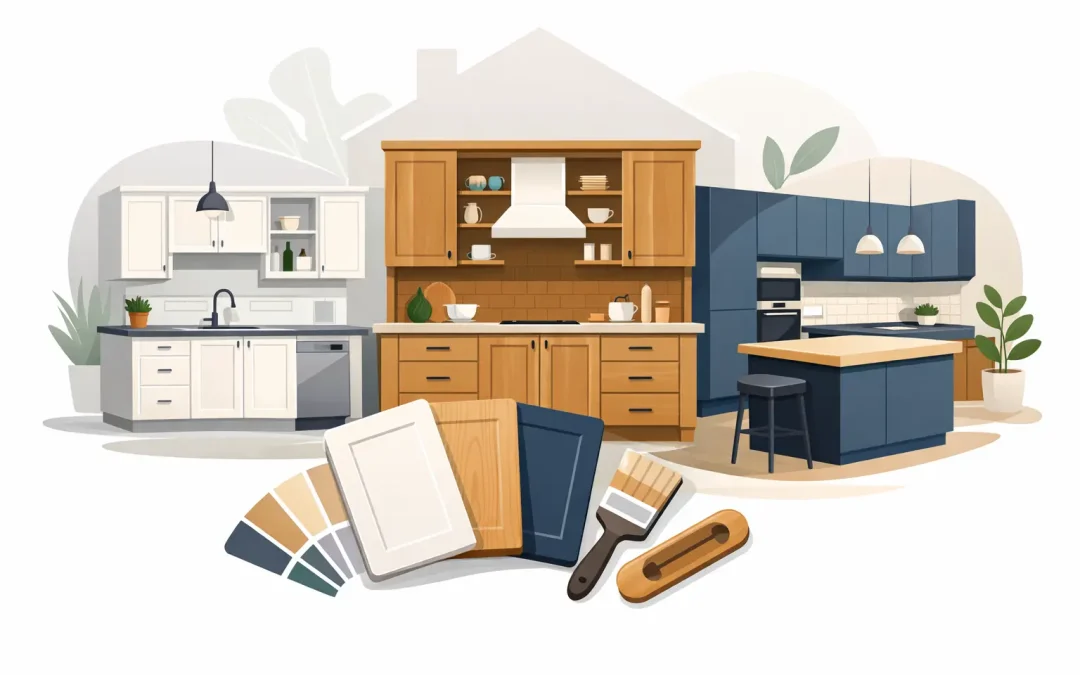
A kitchen can look impressive in photos and still fail in daily use. Cabinet doors start sagging, drawers stick, finishes wear down around the sink, and storage never seems to fit the way a family actually lives. That is why choosing the best kitchen cabinets is less about showroom appeal and more about getting the right mix of durability, layout, and construction quality from the start.
For most homeowners, cabinets are the biggest decision in a kitchen remodel because they affect cost, appearance, storage, and long-term performance all at once. If you get them right, the rest of the kitchen works better. If you get them wrong, even good countertops and appliances will not make the space feel finished.
What makes the best kitchen cabinets?
The best kitchen cabinets are not always the most expensive ones. They are the cabinets that fit the way your household uses the kitchen, hold up to daily wear, and are built well enough to stay square, level, and functional for years.
That starts with cabinet construction. Solid doors, plywood box construction, quality drawer hardware, and reliable finishes usually matter more than trendy details. Homeowners often focus first on color and door style, which is understandable, but the structure behind the finish is what determines whether cabinets still look and work properly five or ten years from now.
Storage also matters more than many people expect. A good cabinet plan should reduce clutter, improve workflow, and make it easier to reach what you use every day. Deep drawers for pots, full-extension glides, trash pull-outs, tray dividers, and pantry storage often improve a kitchen more than decorative upgrades do.
Best kitchen cabinets by material
Material choice has a direct effect on cost, durability, and appearance. There is no one perfect option for every remodel. It depends on budget, kitchen size, humidity exposure, and how long you plan to stay in the home.
Solid wood cabinets
Solid wood remains a strong choice for homeowners who want a durable, traditional cabinet with a high-end feel. Wood doors can be painted or stained, and they generally age better than lower-cost materials when properly finished.
The trade-off is price and movement. Real wood can expand and contract with seasonal humidity changes, which is normal, but it means construction quality and installation matter. In a busy family kitchen, wood cabinets can perform very well, but they need a good finish and proper care.
Plywood cabinet boxes
Plywood is one of the most dependable materials for cabinet boxes. It is strong, resists sagging better than lower-grade particleboard, and holds fasteners well. For many remodels, plywood box construction is one of the clearest signs of a cabinet built for long-term use.
This does not mean every particleboard cabinet should be ruled out. Some well-made manufactured cabinets perform fine in dry, controlled interiors. But if you want a cabinet system that can handle years of use with less risk of swelling or breakdown, plywood is usually the safer investment.
MDF for painted finishes
Medium-density fiberboard, or MDF, is common in painted cabinet doors because it provides a smooth surface and does not show wood grain through the paint. If your goal is a crisp painted finish in white, off-white, gray, or another solid color, MDF can be a practical option.
The downside is that MDF is heavier and more vulnerable to damage from water if the finish is compromised. Around sinks or in homes where cabinets take a lot of impact, quality sealing and installation become especially important.
Cabinet types and what they mean for your project
When homeowners compare the best kitchen cabinets, they usually run into three main categories: stock, semi-custom, and custom. Each has a place, and the right one depends on the kitchen itself.
Stock cabinets
Stock cabinets are pre-sized, pre-manufactured options that are typically the most budget-friendly. They can work well in straightforward kitchen layouts where standard sizes fit the room without too many compromises.
The limitation is flexibility. If your kitchen has odd dimensions, structural obstacles, or specific storage needs, stock cabinets may leave wasted space or force design decisions that do not fully suit the home.
Semi-custom cabinets
Semi-custom cabinets are often the best middle ground. They provide more flexibility in sizing, finish options, and storage features without reaching full custom pricing. For many homeowners, this category delivers the right balance of value and function.
In practical terms, semi-custom cabinets often make the most sense when you want a kitchen to feel tailored but still need to stay within a defined remodeling budget.
Custom cabinets
Custom cabinets are built to exact dimensions and can solve layout issues that standard lines cannot. They are a strong option for older homes, unique floor plans, or kitchens where every inch matters.
They also cost more and take longer. That added investment can be worth it when the room demands it, but custom is not automatically better if a semi-custom line can achieve the same result with solid construction and cleaner budget control.
The details that separate good cabinets from bad ones
Cabinets can look similar on the surface and perform very differently over time. A few construction details make a real difference.
Full-extension drawer glides are worth having because they allow you to use the full depth of the drawer. Soft-close hardware is not just a luxury feature. It reduces wear, prevents slamming, and generally helps cabinets feel better built in daily use.
Joinery matters too. Dovetail drawer construction, reinforced corners, and solid back panels usually indicate better quality. Hinges should feel secure and adjustable, not flimsy. Shelving should be thick enough to resist bowing, especially in pantry or base cabinets that carry heavier items.
The finish should also be taken seriously. Kitchens deal with grease, moisture, heat, and repeated cleaning. A cabinet finish that chips easily or fails around handles and edges will show wear quickly. That is why it pays to ask not just what a cabinet looks like, but how it is manufactured and finished.
Choosing the right cabinet style for your home
Style still matters because cabinets take up so much visual space. The goal is to choose a look that fits the house without locking the kitchen into a short-lived trend.
Shaker cabinets remain one of the safest choices because they work in traditional, transitional, and modern kitchens. They are clean, practical, and less likely to feel dated in a few years. Raised-panel styles can still be a good fit in more traditional homes, especially where the rest of the architecture supports that look.
Flat-panel cabinets can work well in modern remodels, but they need the right overall design around them. In the wrong setting, they can feel too stark. That is where experience matters. Good cabinet selection is not just about what looks current. It is about what fits the structure and style of the home.
Color deserves the same practical thinking. White cabinets remain popular because they brighten the room and appeal to future buyers, but they also show dirt and wear more easily in busy households. Wood tones and warmer painted finishes can be more forgiving. Dark cabinets can look sharp, but in smaller kitchens they may make the room feel tighter unless lighting and layout are handled carefully.
Budget matters, but value matters more
Every homeowner has a budget, and cabinets can consume a large share of it. The mistake is assuming the cheapest option saves money. If cabinets fail early, chip quickly, or leave you with poor storage, you may end up paying twice.
A better approach is to decide where cabinet quality matters most. In many remodels, it makes sense to prioritize better box construction and hardware first, then make practical finish and accessory choices around that. You do not always need the most elaborate insert package or the highest-end custom finish. You do need cabinets that open, close, hold weight, and stay attractive under normal family use.
This is especially true in full kitchen remodels where the cabinets need to work with flooring, lighting, appliances, and sometimes structural changes. A dependable contractor helps you make cabinet decisions that support the whole project, not just the cabinet order itself. That coordination often prevents costly mistakes.
How to know which are the best kitchen cabinets for your remodel
The best kitchen cabinets for your remodel depend on how your kitchen is used every day. A household that cooks constantly needs stronger storage planning than one that mainly uses the kitchen for light meals. A family with kids may want finishes and door styles that hide wear better. An older home may need more flexible sizing to avoid awkward gaps and filler pieces.
If you are remodeling a home in Monmouth County or elsewhere in New Jersey, local housing styles can also shape the right cabinet choice. Older homes often benefit from a more tailored approach because walls are not always perfectly square and layouts may not match standard cabinet dimensions. In those cases, careful planning matters just as much as the cabinet brand itself.
At Zenn Construction, we see this firsthand in kitchen remodeling projects where homeowners want more than a cosmetic change. They want cabinets that improve storage, hold up to everyday use, and make the entire kitchen function better.
The right cabinet choice should feel solid the day it is installed and still feel right years later. If you focus on construction quality, practical storage, and a style that fits your home, you will make a better decision than if you shop by appearance alone. A kitchen should work hard for your family, and your cabinets should be built to do the same.