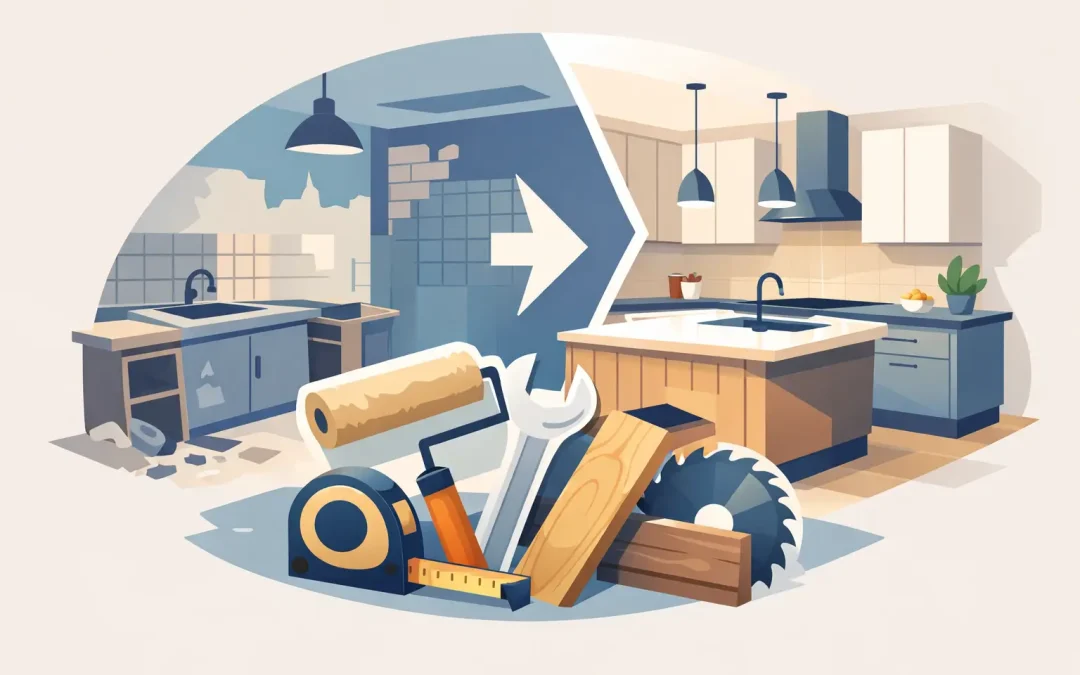
A kitchen that looks dated is one problem. A kitchen that no longer works for your daily routine is a bigger one. If you have limited storage, poor lighting, worn-out surfaces, or a layout that makes cooking and cleanup harder than they should be, you may be asking what is kitchen renovation and whether it is the right move for your home.
Kitchen renovation is the process of improving an existing kitchen so it functions better, looks better, or both. That can mean replacing cabinets, countertops, flooring, lighting, and appliances. It can also mean changing the layout, updating plumbing and electrical systems, adding storage, or correcting long-standing issues such as water damage, poor ventilation, or code problems.
For most homeowners, a kitchen renovation is not just about style. It is about making one of the busiest rooms in the house more practical, more comfortable, and more durable for everyday use.
What Is Kitchen Renovation, Exactly?
In plain terms, a kitchen renovation updates what you already have. The scope can be modest or extensive depending on the condition of the space, your goals, and your budget.
Some projects keep the existing footprint and focus on surface-level improvements. Others go deeper and involve demolition, structural adjustments, utility upgrades, and a complete rebuild of the room. Both are still kitchen renovations. The difference is how much of the original kitchen stays in place.
This is where homeowners sometimes get tripped up. A renovation does not always mean a full gut job, and it does not always mean moving walls. It simply means improving the kitchen in a meaningful way. In one home, that may be new cabinetry and better lighting. In another, it may be opening the kitchen to the dining area and reworking the entire layout.
Kitchen Renovation vs. Kitchen Remodeling
People often use renovation and remodeling interchangeably, and in everyday conversation that is usually fine. But there is a slight difference.
Renovation usually refers to restoring or updating an existing space. Remodeling usually means changing the structure, layout, or purpose of the space. If you replace old cabinets and install new tile in the same configuration, that is closer to a renovation. If you remove a wall, relocate plumbing, and build a new island where none existed before, that leans more toward remodeling.
In real projects, the line is rarely clean. Many kitchen jobs include both renovation and remodeling elements. That is why homeowners are better served by focusing on scope rather than terminology. The real question is not what label fits. The real question is what needs to change for the kitchen to serve your household better.
What a Kitchen Renovation Can Include
A kitchen renovation can touch nearly every part of the room. Cabinets are often the centerpiece because they affect storage, layout, and overall appearance. Countertops, backsplashes, flooring, sinks, faucets, and appliances usually follow close behind.
Lighting is another major part of the work. Older kitchens often rely on one ceiling fixture, which leaves prep areas dim and creates an uneven look. A solid renovation may add recessed lighting, under-cabinet lighting, and better task lighting over islands or work zones.
Depending on the age of the home, the project may also include electrical and plumbing upgrades. This matters more than many homeowners expect. If your kitchen is being updated with new appliances, more outlets, improved ventilation, or an island with power, the behind-the-wall work needs to support it. Cosmetic finishes matter, but performance matters more.
Some renovations also involve drywall repair, insulation, windows, trim work, or door changes. If the kitchen has suffered from leaks, settling, or years of wear, the project may uncover hidden conditions that need to be addressed before the new finishes go in.
Why Homeowners Renovate Their Kitchens
Most kitchen renovations start for one of three reasons. The kitchen is outdated, the kitchen is inefficient, or the kitchen is deteriorating.
An outdated kitchen can make the whole house feel older than it is. Worn cabinets, faded countertops, and old flooring drag down the look of the space and can make it less enjoyable to use. But appearance alone is rarely the only factor.
Function is usually the bigger issue. Many older kitchens were built for a different style of living. They may lack pantry space, have limited counter area, or force traffic through tight spots. Families today want kitchens that can handle meal prep, homework, entertaining, and daily use without feeling crowded or disorganized.
Then there is condition. Water damage around sinks, failing cabinet boxes, cracked flooring, outdated wiring, and poor ventilation are not just cosmetic concerns. They are practical problems that affect safety, durability, and long-term value.
When a Kitchen Renovation Makes Sense
A kitchen renovation makes sense when the space is holding your home back. That may be because the kitchen no longer matches your needs, or because neglecting the issues will only make them more expensive later.
If you plan to stay in your home for years, renovating can improve day-to-day living in a very direct way. If you may sell in the future, a well-executed kitchen update can also make the home more attractive to buyers. That said, resale should not be the only factor driving decisions. The best renovation choices usually balance present use with long-term value.
It also makes sense to renovate when multiple kitchen components are reaching the end of their service life at the same time. If cabinets are failing, appliances are outdated, and flooring is damaged, piecemeal fixes often become less efficient than doing the work as one coordinated project.
What Homeowners Should Expect During the Process
A professional kitchen renovation starts with planning, not demolition. You need a clear understanding of goals, budget, layout needs, material priorities, and any known issues in the existing space.
From there, the process usually moves into design and scope definition. That includes measurements, product selections, and determining whether the project will require permits, inspections, or code-related upgrades. For many homes, especially older ones, this is where realistic expectations matter. Once walls are opened, hidden issues can appear. Good planning reduces surprises, but it cannot eliminate them entirely.
Construction typically begins with demolition, followed by any framing, plumbing, electrical, or HVAC work needed behind the walls. After inspections, the space moves into drywall, flooring, cabinetry, countertops, tile, trim, painting, and final fixture installation.
The timeline depends on scope. A lighter renovation may move faster. A full kitchen rebuild with layout changes, custom materials, and utility upgrades will take longer. Homeowners should also expect disruption. The kitchen may be partially or fully unusable for a period of time, so temporary meal planning is part of the reality.
Budget, Priorities, and Trade-Offs
No two kitchen renovations cost the same because no two homes start from the same place. Material selections, layout changes, labor needs, structural conditions, and appliance choices all affect the final number.
The key is to separate must-haves from nice-to-haves. If your kitchen has poor flow, failing cabinets, and outdated electrical service, those issues should be addressed before premium finishes become the focus. A smart renovation budget puts function, durability, and code compliance first.
There are always trade-offs. Custom cabinetry offers flexibility but costs more. Moving plumbing can improve layout but adds labor. Natural stone may look great but requires more maintenance than some engineered options. A dependable contractor should walk you through these decisions clearly instead of pushing upgrades that do not fit your priorities.
For homeowners in older New Jersey homes, budget discussions should also leave room for conditions discovered during demolition. That is not scare language. It is just practical planning.
Choosing the Right Contractor for a Kitchen Renovation
The quality of a kitchen renovation depends heavily on who manages it. This is not a room where sloppy work stays hidden for long. Uneven cabinets, poor tile installation, weak ventilation, and rushed finish work show up quickly and create frustration that lasts for years.
A qualified contractor should be able to handle the full scope, coordinate trades, explain the process clearly, and keep the work aligned with local code requirements. Communication matters just as much as craftsmanship. Homeowners need realistic timelines, honest pricing, and straightforward answers when conditions change.
That is especially true in a kitchen, where multiple systems overlap in a tight space. Good execution is not just about making the room look finished. It is about making sure everything works the way it should, from electrical load to cabinet alignment to appliance clearances.
What Is Kitchen Renovation Really About?
At its core, kitchen renovation is about solving problems in a room you use every day. Sometimes those problems are obvious, like damaged cabinets or old flooring. Sometimes they are harder to spot, like poor layout, inadequate lighting, or aging infrastructure behind the walls.
A good renovation does more than update appearances. It creates a kitchen that fits the way your household actually lives. It should make cooking easier, storage more efficient, traffic flow smoother, and maintenance simpler. It should also be built to last.
If your kitchen is no longer serving your family well, the right next step is not guessing how much you can patch together. It is getting clear on what needs to improve and working with a contractor who can build it the right way from the start.