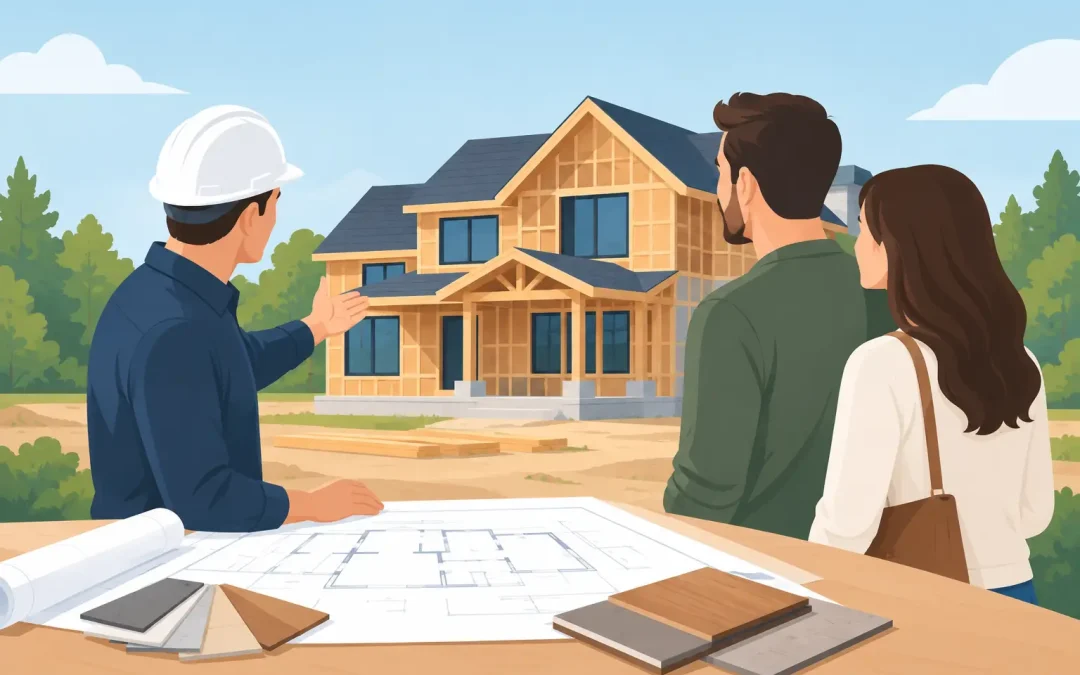
A custom home builder is not just hiring labor to put up walls. You are choosing the team that will turn a major financial decision into a home that works for your family every day. The right contractor brings the planning, craftsmanship, communication, and accountability needed to keep a new build moving from the first drawing to the final walkthrough.
For New Jersey homeowners, the decision deserves more than a quick online search or the lowest estimate. A custom home has many moving parts: site conditions, local approvals, design choices, structural requirements, material lead times, and budget decisions. A dependable builder helps manage those details without losing sight of what matters most to you.
Start With How You Want to Live
Before comparing builders, get clear on the purpose of the home. A large floor plan is not automatically a functional one. Think about how your household uses space now and what may change in the years ahead.
Maybe you need an open kitchen where family and guests can gather, a first-floor suite for aging parents, a dedicated home office, or more storage than your current house provides. Perhaps your priority is a durable exterior that can handle New Jersey weather, or a layout that makes daily routines easier with young children.
A good builder will ask practical questions before offering broad promises. They should want to understand your lot, approximate square footage, preferred style, must-have rooms, and target investment range. That early conversation helps determine whether your expectations, design goals, and budget are aligned.
It also helps separate needs from nice-to-have features. That does not mean cutting every upgrade. It means making informed choices early, when they are easier and less expensive to manage.
What a Reliable Custom Home Builder Should Handle
New construction requires more coordination than most homeowners realize. Your builder should be prepared to manage the work as a complete project, not simply schedule trades and leave you to solve problems as they arise.
A full-service custom home builder typically coordinates preconstruction planning, permits, scheduling, site work, framing, mechanical systems, finishes, inspections, and final completion. Depending on the project, they may also work with your architect, engineer, designer, surveyor, and local building department.
The value is not only convenience. Clear coordination helps prevent gaps between the plan and the work in the field. For example, a change to a window layout can affect framing, exterior finishes, electrical placement, insulation, and the interior design. When one accountable team oversees the process, those decisions are less likely to become expensive surprises.
In Monmouth County and surrounding areas, local zoning rules, setbacks, drainage requirements, and permit procedures can vary by municipality. Experience with the approval process matters. A builder should not treat permits as an afterthought or assume that every property can support the same plan.
Look Beyond the Estimate
It is reasonable to compare prices, but the lowest number is not always the best value. A vague estimate can appear attractive because it leaves out costs that will surface later. The goal is to understand what each proposal actually includes.
Ask how the builder handles allowances, which are budget amounts assigned to selections such as cabinetry, tile, plumbing fixtures, lighting, or appliances. Allowances are common in custom work, especially before all selections are made. The key is whether they are realistic for the level of finish you expect.
A reliable proposal should also explain the scope of work, payment schedule, projected timeline, permit responsibilities, and process for changes. If an item is excluded, you should know that before construction begins. Straight answers are more valuable than a low number that creates confusion halfway through the project.
Price can vary for legitimate reasons. One builder may specify better windows, stronger structural details, more complete site preparation, or higher-grade finish materials. Another may have overlooked those same items. Comparing line by line takes time, but it protects your budget.
Ask About Change Orders Before You Need One
Changes are sometimes unavoidable. You may decide to move a wall, select a different countertop, or discover a site condition that was not visible during initial planning. The issue is not whether a change can happen. The issue is how it is documented and approved.
Ask the builder how change orders are priced, how they affect the schedule, and when you will receive written approval details. You should never be left guessing about the cost of a decision made during construction. A disciplined process keeps the project organized and gives you control over budget choices.
Check Workmanship and Communication
Photos can show a beautiful finished room, but they do not tell you how the project was managed. When evaluating a builder, ask to see examples of completed homes and, when possible, current work in progress. A clean, organized job site often reflects a contractor who takes planning and safety seriously.
Pay attention to the details. Are exterior lines straight? Are finish materials installed cleanly? Do rooms feel properly proportioned? Is there care in the transitions between flooring, trim, cabinetry, and tile? Quality is often visible in the small areas that are easy to rush.
Communication is just as important. Building a home involves decisions, questions, inspections, deliveries, and adjustments. You need a builder who returns calls, explains issues plainly, and keeps you informed without making you chase updates.
Ask who your day-to-day contact will be and how often you can expect project updates. Some homeowners prefer weekly meetings, while others are comfortable with scheduled check-ins and updates at key milestones. There is no single right approach, but there should be an agreed process.
Confirm Licensing, Insurance, and Code Knowledge
A professional builder should be properly licensed and insured for the work they perform. Ask for documentation and make sure you understand who is responsible for the various phases of construction. Subcontractors may handle specialized work, but the general contractor should still maintain oversight and accountability.
Code compliance is not a detail to overlook. Building codes address structural safety, energy efficiency, electrical systems, plumbing, fire protection, and more. A home should be built to pass inspections, but the real purpose is to create a safe, durable structure for the people who will live there.
Experience matters most when conditions are not simple. Soil issues, drainage concerns, an irregular lot, utility limitations, or a design revision can all affect the plan. An experienced builder does not pretend every challenge has an instant answer. They identify the issue, explain the options, and recommend a practical path forward.
Set a Realistic Timeline
A custom home timeline depends on the design, approvals, weather, availability of materials, and complexity of the work. Be cautious with anyone who promises an unusually fast completion date before reviewing the plans and site.
A dependable schedule should include time for planning and permitting, not only physical construction. It should also allow for inspections and reasonable lead times on major materials. Cabinetry, windows, specialty fixtures, and certain exterior products may need to be ordered well before installation.
The best way to protect the schedule is to make major selections on time and avoid late changes where possible. Your builder should guide you through those decisions in the right order. Waiting until framing is complete to decide on lighting, for example, can create avoidable delays.
Choose a Builder Who Respects the Long Term
Your home should serve your family long after the last crew leaves. That means durable materials, thoughtful design, proper installation, and systems that are accessible for future maintenance. A builder focused only on the finish date may miss decisions that affect your comfort and costs for years.
At Zenn Construction, the focus is on practical planning, quality workmanship, and clear communication from start to finish. Those standards matter whether a homeowner is planning a complete new build or making major improvements to an existing property.
Take time to meet with prospective builders, review their process, and ask direct questions. The right partner will not pressure you into quick decisions. They will help you build with a clear plan, a realistic budget, and confidence in the work being done.