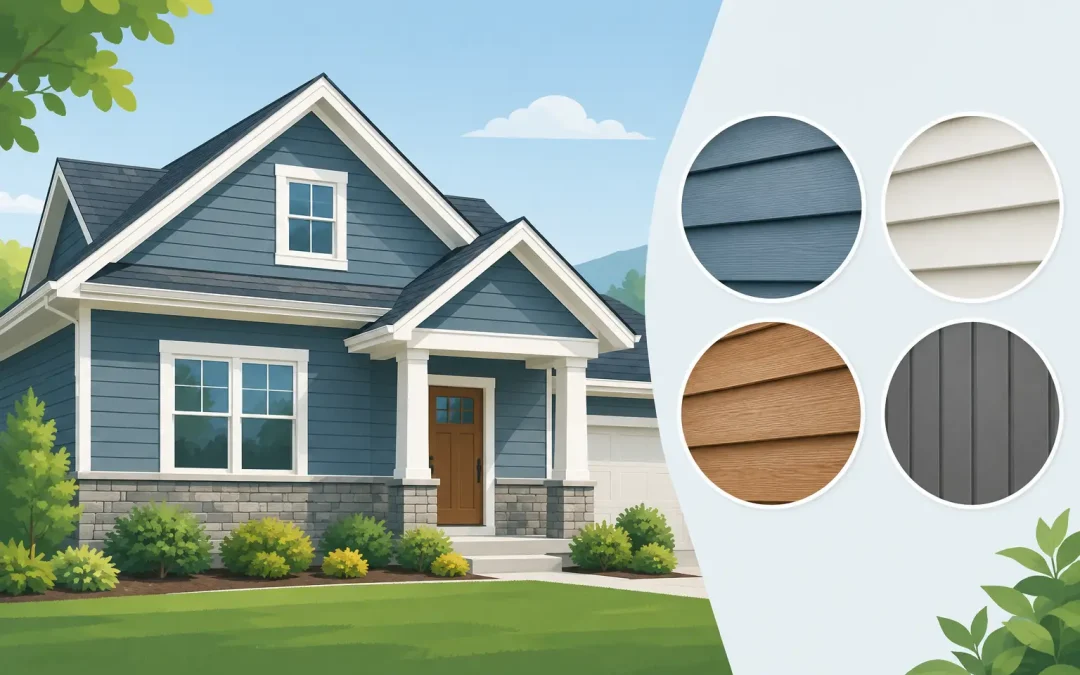
A siding decision is not just about picking a color from a sample board. Your siding is the exterior barrier that takes the rain, wind, summer heat, winter freeze-thaw cycles, and everyday wear that New Jersey homes face. The best siding options for homes should protect the structure first, fit the style of the property, and make sense for the budget over the long term.
For most homeowners, the right choice comes down to balancing maintenance, durability, appearance, installation requirements, and cost. A lower upfront price can be the right decision for one home, while another property may benefit from a material that costs more initially but requires less replacement or upkeep over time.
How to Choose the Best Siding Options for Homes
Start with the condition of the house itself. If the existing siding is warped, cracked, rotting, or allowing moisture behind the walls, the project may involve more than an exterior refresh. Damaged sheathing, flashing, insulation, trim, or window details need to be addressed before new siding goes on. Covering up underlying problems is never a dependable solution.
Next, consider how long you plan to stay in the home. A homeowner preparing to sell may prioritize clean curb appeal and a sensible budget. A family making long-term improvements may be more focused on low maintenance, stronger weather resistance, and a material that supports the home’s value for years.
The architectural style also matters. Traditional Colonials, shore-area homes, ranches, and newer construction can all look right with different siding profiles and textures. The goal is not to choose the most expensive product. It is to choose a material and installation approach that looks appropriate, performs well, and is built correctly around doors, windows, rooflines, and transitions.
Vinyl Siding: Practical and Budget-Friendly
Vinyl siding remains one of the most common choices for residential exteriors because it provides a clean appearance at a manageable cost. It is available in many colors, widths, and profiles, including traditional lap siding, board and batten, and shake-style accents. It does not need painting, and routine maintenance is generally limited to occasional washing.
For homeowners who want a straightforward exterior upgrade without the cost of premium materials, vinyl can be a smart fit. Quality varies significantly, however. Thinner panels can feel less substantial and may be more vulnerable to impact damage or noticeable movement in changing temperatures. A better-grade product, proper wall preparation, and correct installation make a real difference in how the finished exterior performs.
Vinyl is not the best choice for every property. It may not deliver the depth and authentic texture some homeowners want for a historic-looking home or high-end renovation. Color options are broad, but very dark colors require careful product selection because heat exposure can affect the panels over time.
Fiber Cement Siding: Strong Performance and Classic Style
Fiber cement siding is often selected by homeowners who want a more substantial exterior with the appearance of painted wood. It can be manufactured in lap boards, vertical panels, shingles, and trim, making it flexible enough for many architectural styles. It resists rot, insects, and fire better than traditional wood products.
This material is a strong option when durability and appearance are both priorities. It holds paint well and can create crisp lines around windows and corners. For homes undergoing major renovation, fiber cement can provide a finished, long-lasting look that pairs well with upgraded roofing, trim, windows, and exterior details.
The trade-off is cost and installation complexity. Fiber cement is heavier than vinyl and requires skilled handling, precise cutting, proper fastening, and careful flashing. It also needs repainting eventually. The material can perform very well, but only when the installation protects the wall system from water intrusion. This is not a project where cutting corners on labor makes sense.
Engineered Wood Siding: Warm Appearance With Less Upkeep
Engineered wood siding offers the visual character of wood while addressing some of the maintenance concerns associated with natural lumber. It is manufactured from wood strands and resins, then treated and finished to resist moisture and decay. It is commonly available in lap siding, panel siding, and trim components.
For homeowners who want a warm, traditional look without committing to cedar maintenance, engineered wood is worth considering. It is generally easier to work with than fiber cement and can provide strong curb appeal at a price point that may be more manageable than premium natural wood products.
Like any wood-based product, performance depends heavily on proper installation. Cut edges, joints, penetrations, and areas near grade must be handled carefully. Water management is critical. When siding sits too close to soil, landscaping, decks, or roof runoff, moisture problems can develop regardless of the product chosen.
Cedar and Natural Wood: Distinctive, but Maintenance-Heavy
Cedar shingles, clapboard, and other natural wood siding create a look that manufactured materials cannot fully duplicate. The texture, grain, and aging process bring real character to coastal-style homes, historic properties, and homeowners who value traditional craftsmanship.
Natural wood also demands commitment. It needs regular inspection, staining or painting, and prompt repairs when moisture damage appears. Wood can be affected by insects, rot, splitting, and peeling finishes if it is neglected. It may be the right choice for a homeowner who wants authentic material and is prepared for the upkeep, but it is rarely the lowest-maintenance option.
A practical middle ground is to use cedar or wood accents in highly visible areas, such as gables, entryways, or porch details, while using a lower-maintenance siding material on the larger wall areas. This can preserve the desired style without placing the entire exterior on a demanding maintenance schedule.
Brick, Stone, and Composite Accents
Full brick or stone exteriors have lasting appeal, but they are typically more expensive and more involved than siding replacement. For many remodeling projects, manufactured stone veneer or masonry accents are used selectively around front entries, foundations, chimneys, or garage walls. These details can add dimension and curb appeal when they are proportioned correctly.
Composite siding products are another category worth reviewing. Some are designed to provide a more refined, wood-like appearance with strong resistance to moisture and movement. These materials can be a good fit for homeowners who want a premium look and reduced upkeep, although product cost and availability should be evaluated as part of the overall project budget.
Installation Details Matter as Much as the Material
Even the best siding material can fail when it is installed over damaged walls or without proper weather protection. The work behind the siding matters: housewrap, flashing, kick-out flashing where roofs meet walls, window and door integration, ventilation, trim details, and clearances from roofs, steps, decks, and grade.
A professional contractor should inspect these areas before recommending a final scope of work. If exterior repairs are needed, it is better to address them while the walls are open than to discover them after the new siding has been installed. This is also an ideal time to consider insulation improvements, replacement windows, gutters, or roofing work if those systems are approaching the end of their service life.
Color selection deserves more thought than homeowners sometimes expect. Lighter colors can make a home feel larger and are generally forgiving of dust and minor fading. Darker colors create contrast and a more modern appearance, but they can emphasize siding lines, trim issues, and surface movement. Look at samples outside at different times of day rather than choosing under showroom lighting alone.
For Monmouth County homeowners, siding should be selected with local weather exposure in mind, especially on elevations that receive strong sun, driving rain, or wind. A dependable exterior plan considers the whole envelope of the home, not just the panels visible from the street.
The best choice is the one that fits your home, your maintenance expectations, and your long-term plans. Before committing, have the exterior evaluated by an experienced contractor who can explain the material options clearly, identify necessary repairs, and provide an honest scope of work. A well-planned siding project protects more than curb appeal – it protects the investment your family has made in the home.