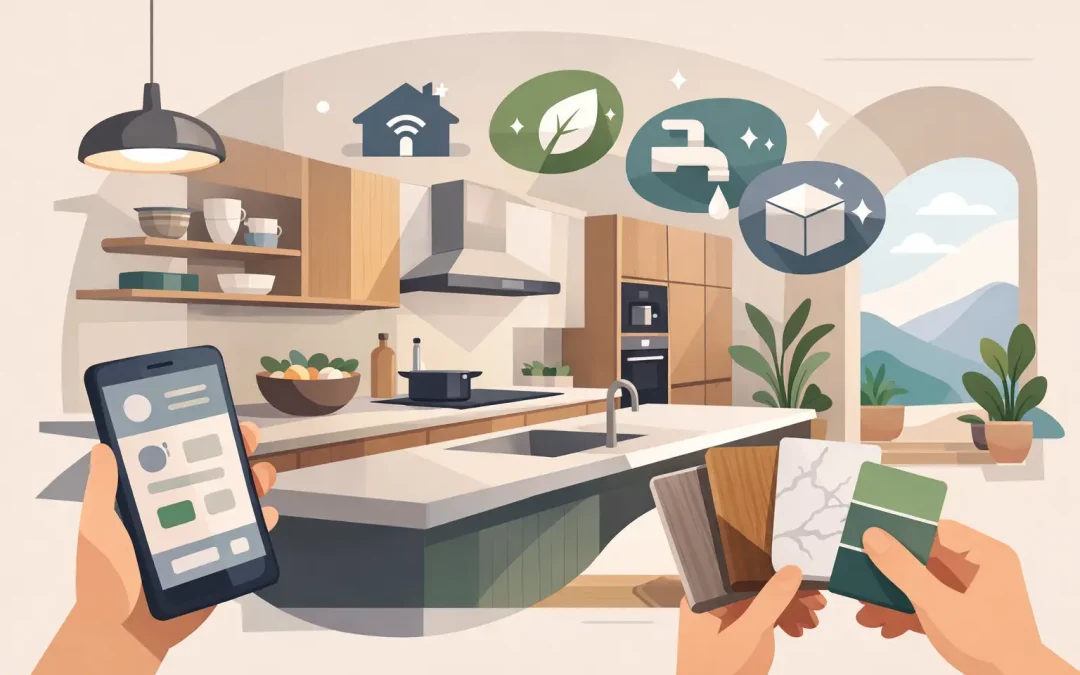
If your kitchen still looks like it belongs to a different decade, 2026 is shaping up to be a practical time to remodel. The biggest kitchen remodel 2026 trends are not about chasing showpiece designs that look good for six months. They are about making the kitchen work better every day, with smarter storage, cleaner layouts, durable surfaces, and finishes that feel current without turning dated too fast.
For New Jersey homeowners, that matters. A kitchen remodel is a major investment, and most families want a result that improves daily use, supports resale value, and holds up to real traffic, real cooking, and real wear. The trends gaining ground in 2026 reflect that shift toward function first, with style built around it.
Kitchen remodel 2026 trends start with layout
The biggest change is not a color or a cabinet profile. It is the way the space is planned. Homeowners are moving away from oversized kitchens that waste square footage and toward efficient layouts that create better flow between prep, cooking, storage, and seating.
That often means larger islands with a clear purpose. In some homes, the island becomes the main prep zone with deep drawers, trash pull-outs, and seating on one side. In others, it works better as a clean gathering space while the sink and cooking area stay on the perimeter. There is no one-size-fits-all answer here. The right layout depends on how your household uses the room, how many people cook at once, and whether the kitchen connects to a dining or family room.
Walkways are also getting more attention. Tight clearances, awkward appliance swings, and crowded corners can make a nice-looking kitchen frustrating to use. In 2026, better remodeling plans are focused on movement and comfort, not just squeezing in more features.
Warmer finishes are replacing the cold, flat look
The all-white kitchen is not disappearing completely, but it is losing ground. One of the clearest kitchen remodel 2026 trends is a move toward warmth. Homeowners are choosing painted cabinets in soft taupe, muted olive, warm gray, and off-white instead of stark bright white. Natural wood tones are also returning, especially in islands, range hoods, and mixed cabinetry.
This shift makes sense for families who want a kitchen that feels lived-in and welcoming. It also tends to hide daily wear better than high-contrast white surfaces. That said, darker tones and wood finishes need the right lighting plan. In a kitchen with limited natural light, going too dark can make the room feel smaller than it is.
Countertop choices are following the same direction. Busy patterns are giving way to cleaner stone looks with subtle movement. Homeowners still want visual interest, but they are leaning toward surfaces that will not overpower the room or feel tied to a short-term trend.
Storage is getting more customized
Good storage is one of the easiest ways to tell whether a kitchen was designed for real use or just for appearance. In 2026, standard cabinet boxes alone are not enough. More homeowners are investing in storage features that match the way they actually live.
Deep drawer bases continue to outperform lower cabinets with shelves. They are easier to access, better for pots and pans, and more practical for aging in place. Pantry cabinets are getting better organized too, with interior pull-outs, tray dividers, and designated zones for small appliances, food storage containers, and bulk goods.
There is also more interest in hidden function. Appliance garages, charging drawers, built-in recycling centers, and under-island microwave placement help reduce countertop clutter. These details may not be the first thing guests notice, but they make a major difference in how the kitchen performs every day.
Smart features are becoming more selective
Smart kitchen technology is still growing, but homeowners are making more careful choices. A few years ago, many remodeling projects chased connected features just because they were available. In 2026, the better trend is selectivity.
People want technology that solves a real problem. Touchless faucets remain popular because they help with cleanup. Better task lighting with dimmable controls is another upgrade that earns its keep. Some homeowners are also adding smart ovens or refrigeration features, but only when those tools fit their cooking habits.
The mistake is overloading the kitchen with tech that becomes unnecessary, expensive to replace, or difficult to maintain. A practical remodel should improve convenience without making the room dependent on features that may age out quickly.
Lighting is doing more than one job
Lighting plans are becoming more layered, and that is a good thing. One central fixture is not enough for a hardworking kitchen. In 2026, homeowners are combining recessed lights, under-cabinet lighting, pendant fixtures, and accent lighting to create a space that works from early morning through late evening.
This is not just about style. Better lighting improves safety, visibility, and comfort. Prep areas need direct light. Seating areas benefit from softer light. Glass-front cabinets or open shelving may call for accent lighting, but only if it serves the room rather than adding clutter.
Color temperature matters too. Overly cool light can make a warm kitchen feel harsh, while lighting that is too warm can distort surface colors. The best result usually comes from a balanced plan tied to the finishes being used.
Durable materials matter more than flashy ones
One of the healthiest changes in kitchen remodeling is the renewed focus on durability. Homeowners are asking harder questions about maintenance, scratch resistance, moisture exposure, and long-term value. That is exactly the right approach.
Quartz remains a leading countertop choice because it is consistent, easy to maintain, and durable for busy households. Tile backsplashes are trending toward simpler layouts and larger-format pieces that reduce grout lines and simplify cleaning. Flooring is also being selected more carefully, with an emphasis on water resistance and performance rather than appearance alone.
Cabinet construction is part of this conversation too. A beautiful door style means very little if the boxes, hardware, and installation do not hold up. This is where experienced remodeling matters. Strong materials and good workmanship outperform trend-driven shortcuts every time.
The kitchen is becoming quieter and cleaner visually
Another trend worth watching is visual restraint. Homeowners still want character, but fewer want kitchens that feel crowded with ornament, mixed metals, open shelving, decorative signs, and highly specific design statements.
The 2026 approach is cleaner and more controlled. That may mean slab or simple shaker cabinet doors, fewer upper cabinets in the right layout, integrated panels for some appliances, and a backsplash that supports the room instead of competing with it. It creates a calmer space and usually ages better.
That does not mean every kitchen should look minimal. Families with traditional homes may still want detailed trim, framed cabinetry, or richer finishes. The point is balance. A remodel should fit the house, not fight it.
Sustainability is showing up in practical ways
Most homeowners are not asking for sustainability as a standalone design theme. They are asking for products and plans that reduce waste, last longer, and perform efficiently. That is a more realistic version of the trend.
Energy-efficient appliances, LED lighting, durable cabinetry, and materials with a long service life all support that goal. So does thoughtful planning that avoids unnecessary demolition or constant replacement. Remodeling the right way means building a kitchen you will still want and still trust years from now.
What these trends mean before you start
The real takeaway from kitchen remodel 2026 trends is simple. Function is driving design more than it did in the past. Homeowners want kitchens that look current, but they are putting more weight on storage, layout, lighting, and durability than on trend pieces that may fade quickly.
That is good news if you are planning a remodel. It means the smartest investment is not copying a photo online. It is building around the way your household uses the space, the condition of your home, and the budget range that makes sense for your long-term plans.
In New Jersey, many kitchens also come with structural and code-related considerations that should be addressed early, especially in older homes. Moving plumbing, updating electrical service, improving ventilation, or opening walls can affect both design and cost. Working with a contractor that understands how to manage those details from the start can help avoid expensive mid-project changes.
For homeowners who want a kitchen that feels updated in 2026 and still works well years later, the best trend to follow is not a finish or fixture. It is making smart choices early, using durable materials, and building a space around everyday life instead of temporary design noise. Zenn Construction approaches kitchen remodeling the same way – with clear planning, dependable workmanship, and results built to last.
A well-remodeled kitchen should make your home easier to live in from the day it is finished, not just easier to photograph.